New Circuit Installation in Austin, TX and Surrounding Areas
Isolated Electrical Circuits for Heavy Power Demands
Plugging high-draw appliances like hot tubs, electric dryers, workshop machinery, or subpanels into existing household circuits can overload wires and trip main breakers. Dedicated new circuit installations provide isolated electrical lines running directly from your breaker box. With over 25 years of master trade experience, Big Shoulders Electrical Services installs code-compliant 120V and 240V dedicated lines across Austin, TX and surrounding areas. We calculate precise load requirements and route heavy-gauge copper lines cleanly.
Dedicated Circuit Installation Options
We design and install dedicated electrical circuits tailored to high-voltage equipment and home extensions.
Dedicated 240V Appliance Circuit Installation
Running heavy-duty 30A to 50A 240V lines for electric ranges, clothes dryers, water heaters, and double ovens.
Hot Tub & Spa Dedicated Circuit Wiring
Installing weatherproof exterior disconnect switches and GFCI-protected 50A 240V circuits for outdoor hot tubs and swim spas.
Garage Workshop & Compressor Line Setup
Adding isolated high-amp outlets for heavy air compressors, table saws, welders, and power machinery in home workshops.
Dedicated Microwave & Kitchen Branch Lines
Running isolated 20A 120V circuits for countertop or over-the-range microwaves to prevent kitchen lighting flickers.
Subpanel Feed & Feeder Cable Installation
Installing heavy-gauge feeder cables and breakers to power secondary subpanels in detached garages, barns, or additions.
Computer & Home Server Dedicated Outlets
Providing clean, isolated electrical circuits with dedicated neutral lines for sensitive home office servers and audio equipment.
Our Circuit Installation Process
Load Demand & Amperage Calculation
We evaluate your equipment voltage ratings and main panel capacity to select the correct breaker size and cable gauge.
Upfront Proposal & Route Mapping
You receive a clear upfront estimate and a planned cable route through walls, attics, or surface conduit.
Conduit Routing & Wire Pulling
Our master team routes insulated copper wiring cleanly from your main panel to the new receptacle location.
Breaker Connection & Operational Testing
We connect the circuit to a new breaker, ground the line, and test full operation under electrical load.
Why Choose Big Shoulders Electrical Services
Local Business
Verified Top Rated
Same-Day Options
Honest Craftsmanship
25+ Years Experience
Upfront Clear Pricing
Responsive Service
Safety Focused
When Does an Appliance Need a Dedicated Circuit?
National Electrical Code (NEC) mandates dedicated lines for fixed motor appliances.
High-draw items pulling over 1,500 watts exceed standard household circuit capacity.
Outdoor water features and hot tubs require dedicated GFCI breaker protection.
Connecting heavy machinery to shared outlets creates fire risks from wire heat.
Dedicated lines prevent voltage drops that cause kitchen lights to dim when cooking.
Adding dedicated circuits protects appliance motors from low-voltage damage.
Do You Need a 120V or 240V Circuit Addition?
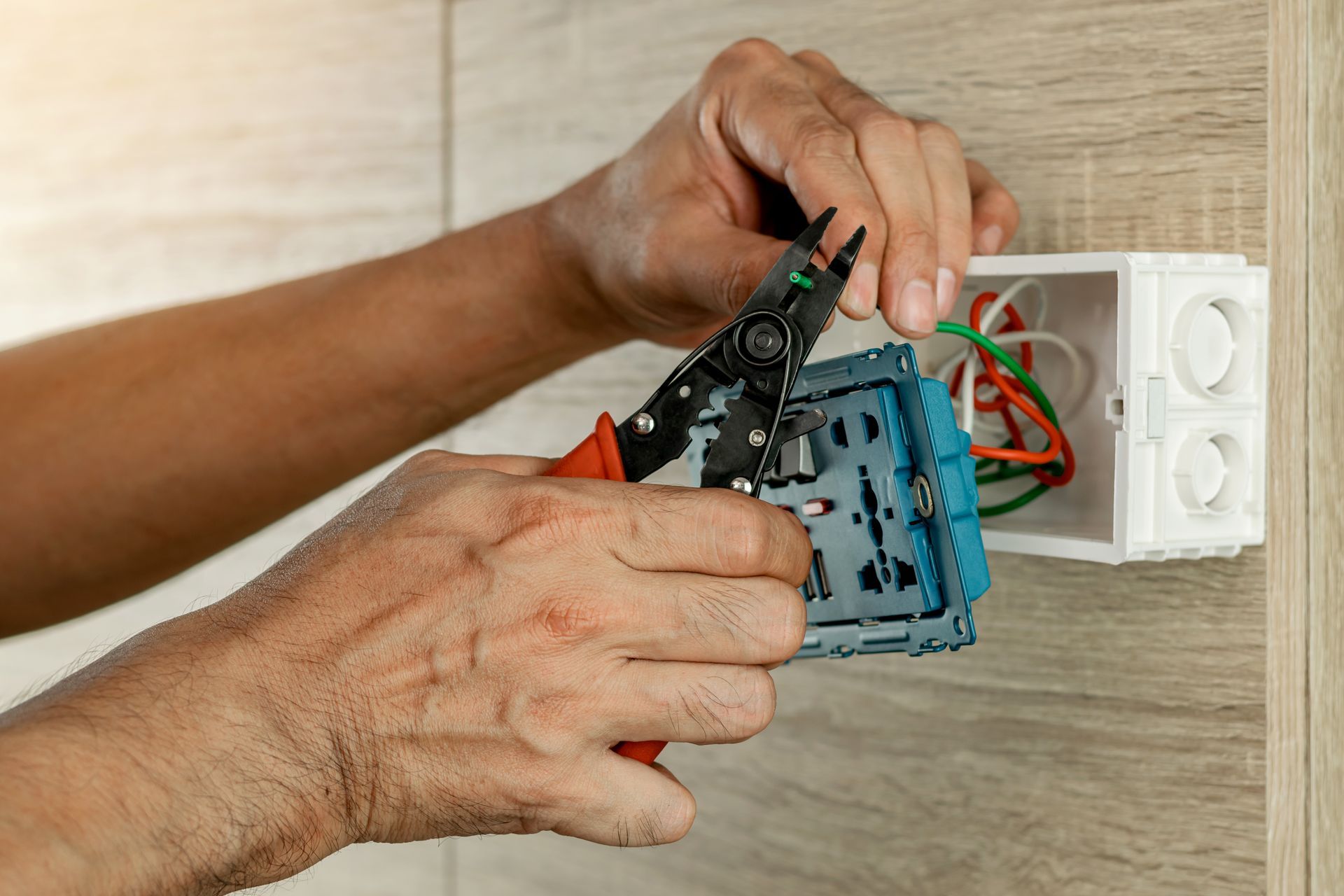
Standard appliances like refrigerator units or microwaves require dedicated 120V circuits. Heavy equipment like electric dryers, hot tubs, or large compressors require 240V double-pole circuits to pull double the voltage safely.
Frequently Asked Questions About New Circuits
What is a dedicated electrical circuit?
A dedicated electrical circuit is an isolated wire line that runs directly from a circuit breaker in your main panel to a single outlet or appliance, ensuring no other devices share or overload that power supply.
Which home appliances require a dedicated circuit?
Major appliances like electric ranges, clothes dryers, water heaters, air conditioners, microwaves, refrigerators, hot tubs, and EV chargers require dedicated circuits to operate safely and meet building codes.
Can I add a new circuit if my electrical panel is full?
If your panel has no open breaker slots, tandem breakers can sometimes be installed to free up space. If the overall panel capacity is maxed out, installing a subpanel or upgrading the main panel provides the needed capacity
How are new circuit wires routed through finished walls?
Electricians pull insulated cable through attics, basements, crawlspaces, or wall cavities with minimal drywall disruption. In garages or concrete areas, clean surface-mounted conduit is used.
What wire gauge is required for a 240V circuit?
Wire gauge depends on the required amperage. A 30-amp circuit typically requires 10-gauge copper wire, a 40-amp circuit uses 8-gauge, and a 50-amp circuit requires heavy 6-gauge copper cable.